Member Spotlight

We talk to Dennis Uba from ChildFund New Zealand about his recent trip to Kiribati to review the implementation of critical water and nutrition projects and plan the next phase of projets to support children and young people. He enjoyed a week of learning and insights with the Kiribati team, along with lots of laughter
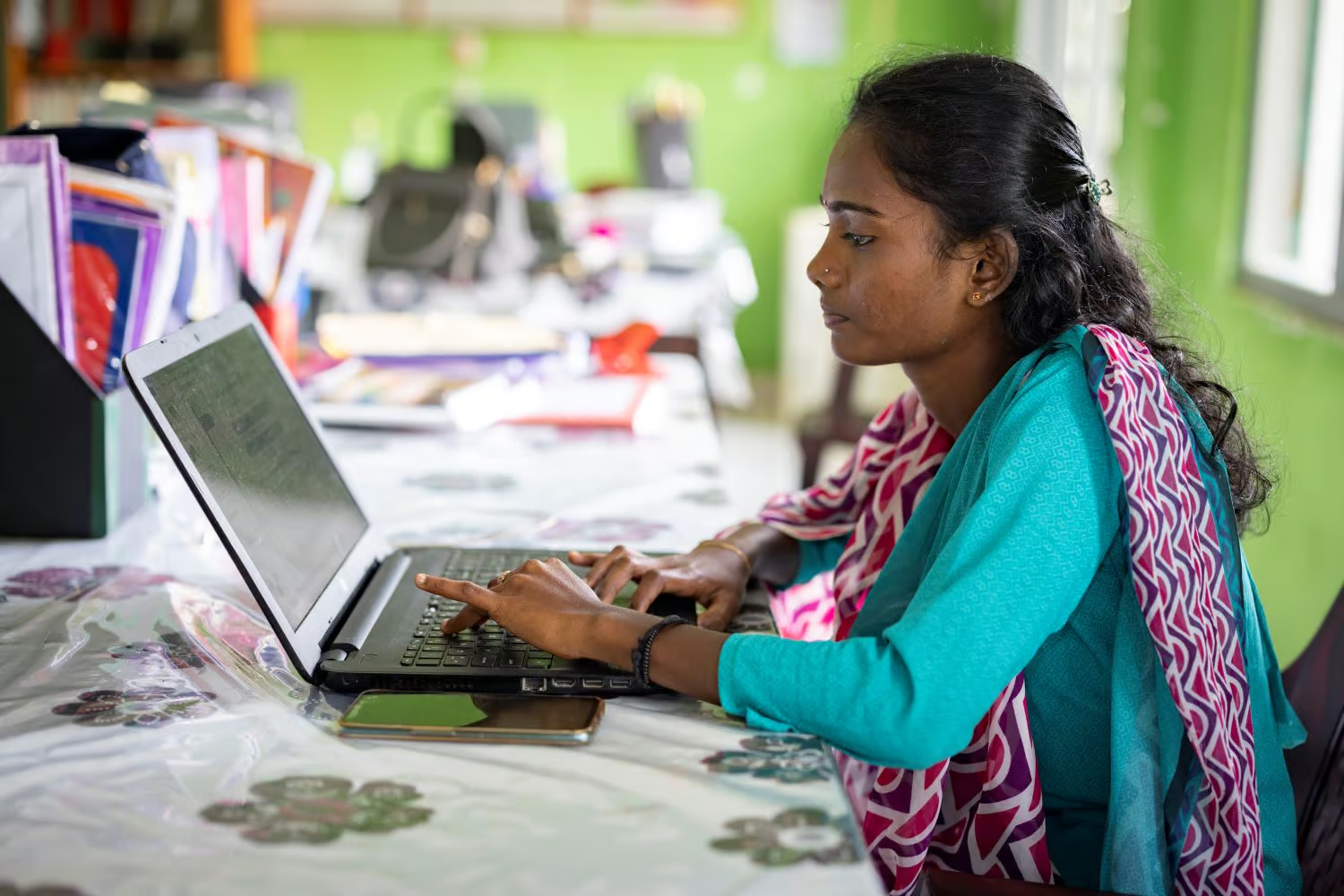
One of 19-year-old Lithusanka’s earliest memories is of being fitted with her first prosthetic leg at age 4. She had lost her leg during Sri Lanka’s long and devastating civil war, in a night-time shelling attack that also injured her father and killed four of her siblings. She now walks with a limp and struggles

In the remote mountains of northern Vietnam, a school serving both primary and secondary students has long struggled with limited resources. In a region where roads are winding, internet connectivity is slow, and access to technology is scarce, education often feels disconnected from the rest of the world. For Ha Van Dung, a geography teacher
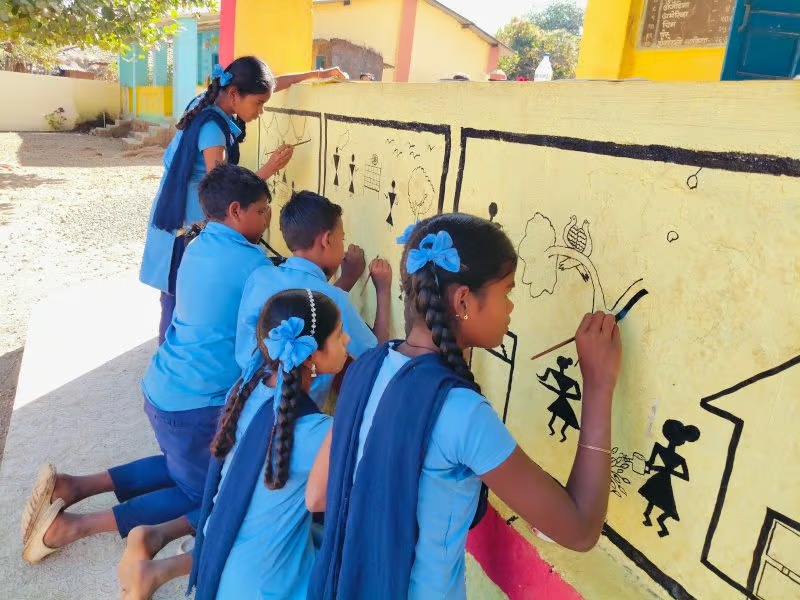
The children of Bandhghar village in Maharashtra, India come from a range of indigenous ethnic groups. Families are reliant on agriculture, but the impact of climate change has forced many to migrate to nearby towns in search of job opportunities. Not only do the children suffer disruption due to this forced migration, but they face

It is one thing to give a child a microphone to speak their mind at a high-level forum in front of policymakers. It is another to take the child’s sentiments seriously and use them to inform policies and programs. Lately, child and youth participation has been gaining ground and, in some instances, become the “fashionable”
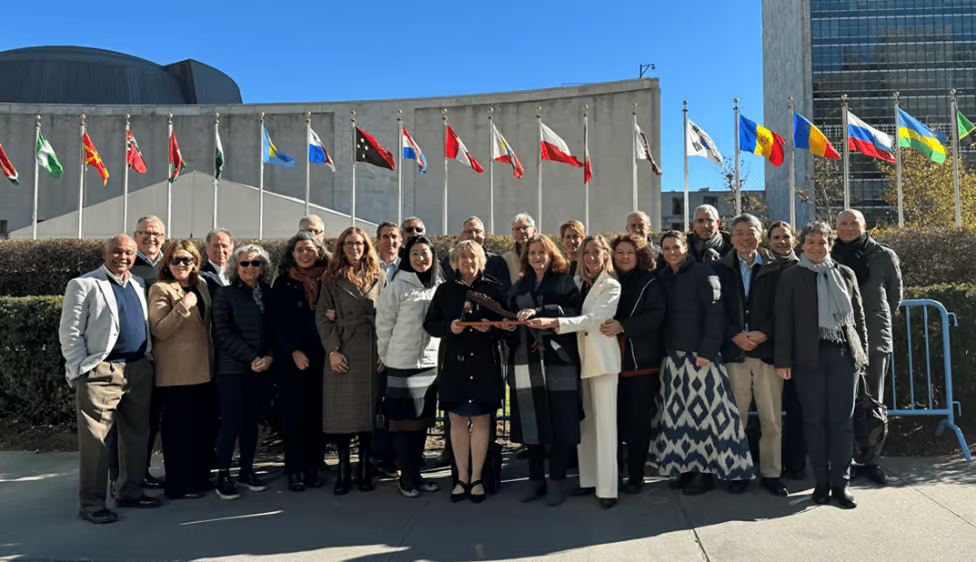
Following a successful week of meetings in New York this month for its annual in-person gathering, the ChildFund Alliance Board of Directors and all members of the Alliance approved a new constitution and governance structure that will soon guide the 11-member network of child-focused development and humanitarian organizations. The newly adopted structure gives voice to
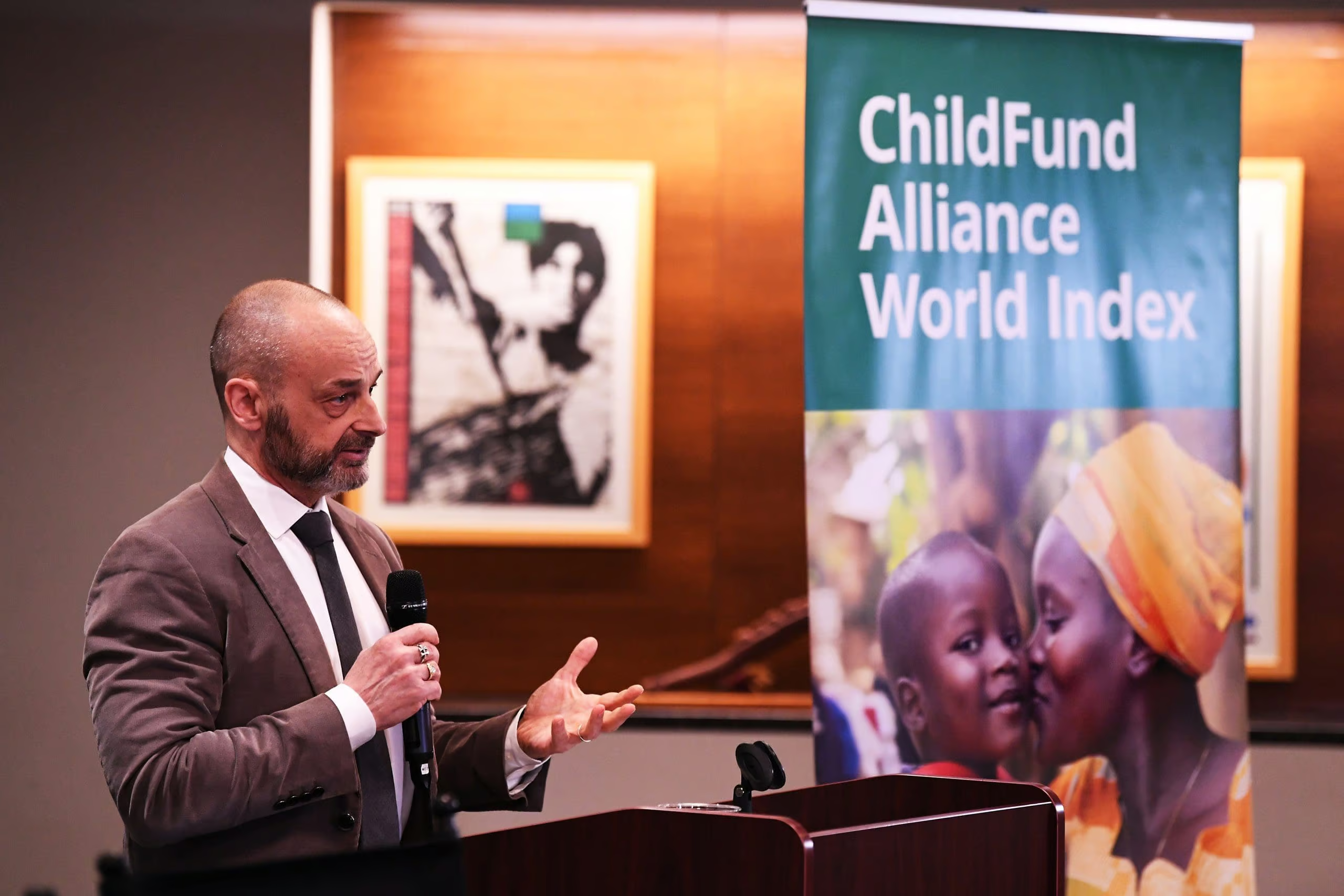
A flagship report released by ChildFund Alliance finds it will take 113 years for women and children to witness the full implementation of their rights. Published since 2015 by ChildFund Alliance’s Italian member WeWorld, the World Index measures the living conditions worldwide of women and children by assessing the promotion, exercise, and violation of their
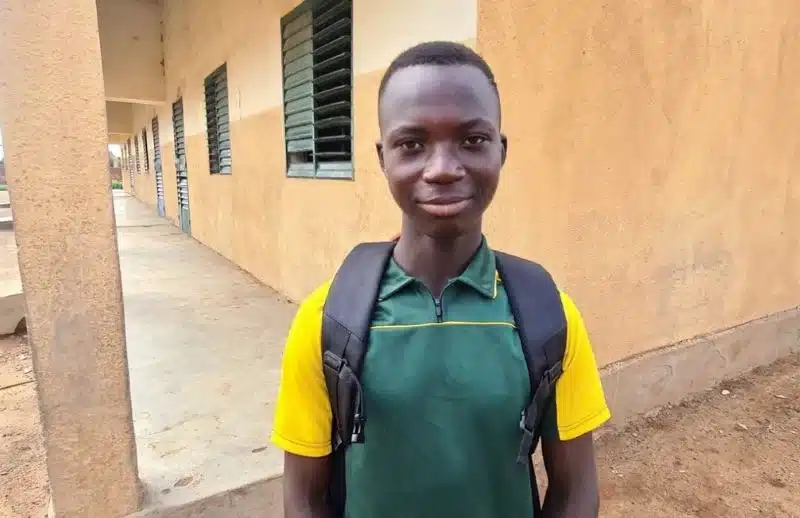
In the sun-drenched landscapes of Burkina Faso, 17-year-old Issouf once thrived in a world defined by simplicity and dreams. He lived in the village of Boala with his parents, siblings, and extended family. His days were a blend of school and chores, a routine he embraced with enthusiasm. School was a haven of learning and
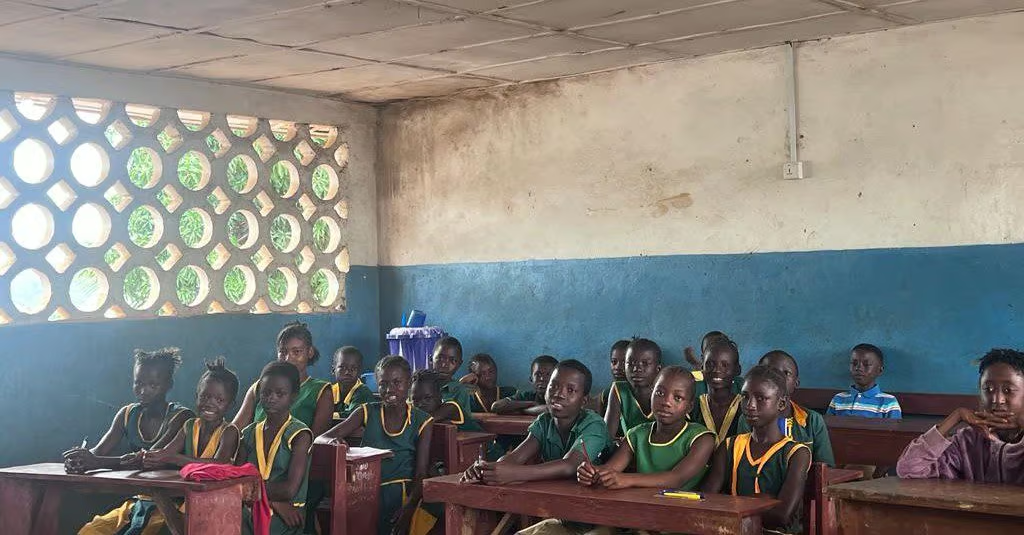
The establishment of community savings groups in Sierra Leone is contributing to greater financial security among farming families, allowing parents to budget for the ongoing costs of their children’s education and avoid becoming prey to money lenders. These cooperative forms of financial management are helping to keep children in school and out of work. While

ChildFund International is engaging youth in digital spaces and tools to promote their empowerment, employability, and entrepreneurship, while protecting them from online exploitation.