
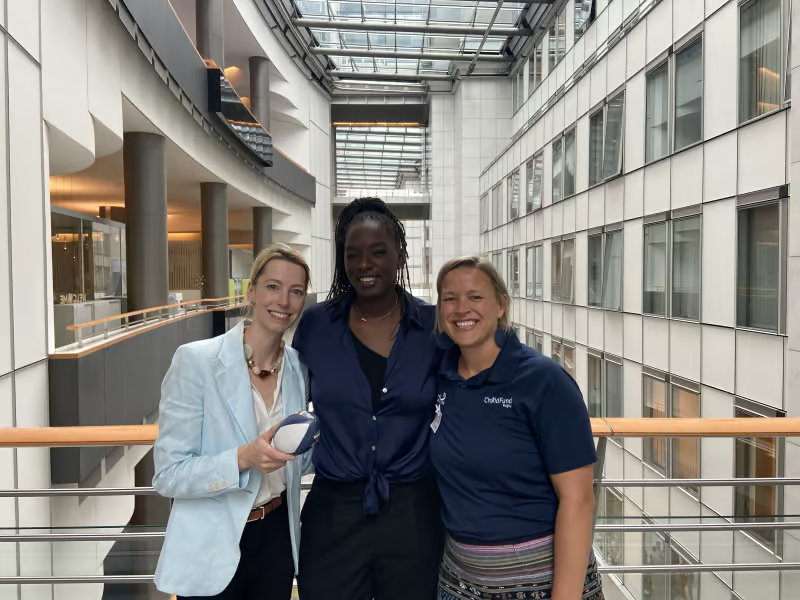
On 2 June, ChildFund Alliance joined Save the Children, and Toy Industries of Europe to co-host a special event on the power of play and its importance for children’s rights, participation and wellbeing.
Held ahead of International Day of Play, the roundtable brought together children, EU parliamentarians, policymakers, civil society organisations, experts and child rights advocates to explore how children’s right to play can be better protected and promoted across Europe and beyond.
The discussion focused on key issues affecting children’s wellbeing, including social inclusion, physical and mental health, and the importance of safe and supportive environments where children can learn, develop and play.
Play is a right, not a luxury
Play is sometimes seen as separate from serious policy discussions. But as speakers made clear, play is not simply recreational. It builds resilience, strengthens cognitive and analytical skills, supports emotional regulation, and fosters connection and social inclusion. In short, play helps shape healthier, more creative and more resilient children — and societies.
Children’s right to play is firmly anchored in international law. Article 31 of the UN Convention on the Rights of the Child recognises every child’s right to rest, leisure, play and recreational activities. Yet for many children, this right is increasingly constrained.
Across Europe and globally, children are playing less, and less freely. Economic inequality, urban design, changing education systems, safety concerns, conflict, and the pressures of modern lifestyles and technology are all affecting children’s access to play. The consequences are becoming more visible, including rising anxiety, stress, isolation and mental health challenges among children and young people.
Listening to children and young people
Jonna Kangas, Senior University Lecturer at the University of Helsinki, spoke about the importance of play for children’s wellbeing and development. Drawing on her research, she highlighted how play allows children to interpret and engage with the world around them, supporting learning, social connection and emotional growth. She also noted findings showing that only 27% of children in Europe play outside unsupervised, illustrating how opportunities for independent play have declined.
Stephanie Jamet, Senior Analyst, Early Childhood Education and Care, OECD, shared insights from OECD research on children’s wellbeing and early childhood education and care. She emphasised the value of play-based and child-centred approaches that support children’s development and participation. The discussion also explored examples from countries including New Zealand, Ireland and Sweden, where initiatives such as youth councils, child participation mechanisms and play-based curricula are helping to create more responsive systems for children.
Importantly, children and young people themselves were part of the conversation. Child delegates from Save the Children’s Youth Council spoke about the need for more community spaces where children can socialise, connect and simply be together. They also called for children to have a permanent place at the table in decisions that affect them. They also remarked that – if play is used – it is often adults who want to make play “meaningful”. But as the children pointed out: unguided, free play, is a right in itself.


Creating space to play, connect and belong
For children living through conflict, displacement or crisis, play can be especially important. It can offer a sense of safety, routine, connection and relief in circumstances marked by uncertainty and stress.
ChildFund Rugby Ambassador and former French international Coumba Diallo brought this message to life by sharing her experience as both an elite athlete and a visitor to Pass It Back in Laos, hosted by the Lao Rugby Federation. Drawing on her own journey, Coumba spoke about how rugby can be much more than a game. As a form of structured play, sport can help young people build confidence, develop leadership, strengthen relationships and create a sense of belonging.
A shared commitment to children’s wellbeing
Speakers also explored the role of policy and investment in protecting the right to play. Contributions from Members of the European Parliament and representatives from the upcoming Irish Presidency of the EU highlighted the need for child-centred strategies, community infrastructure, intergenerational spaces and stronger funding commitments to support children’s rights and wellbeing.
Protecting and promoting the right to play must remain a priority — not only because it is a fundamental right, but because it is a strategic investment in children’s development and our collective future.
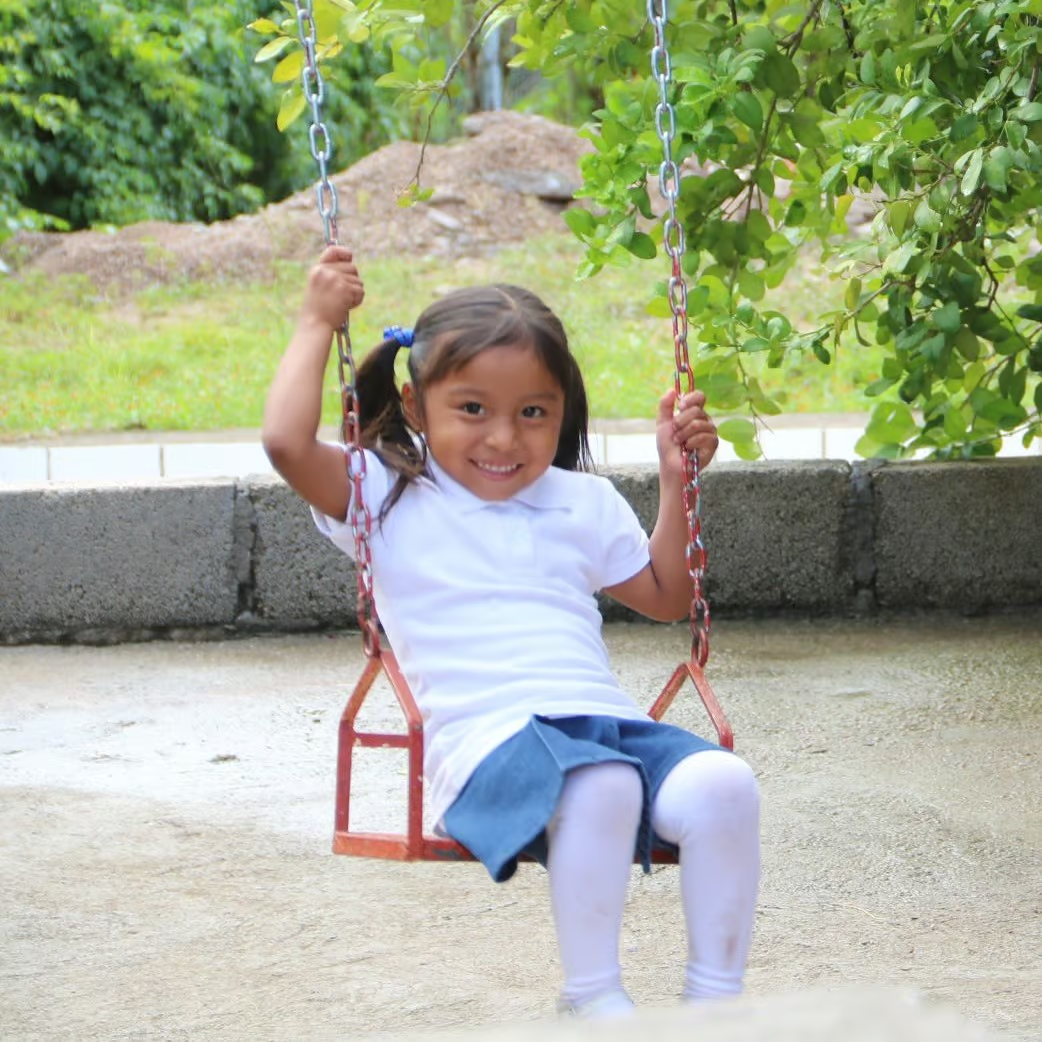
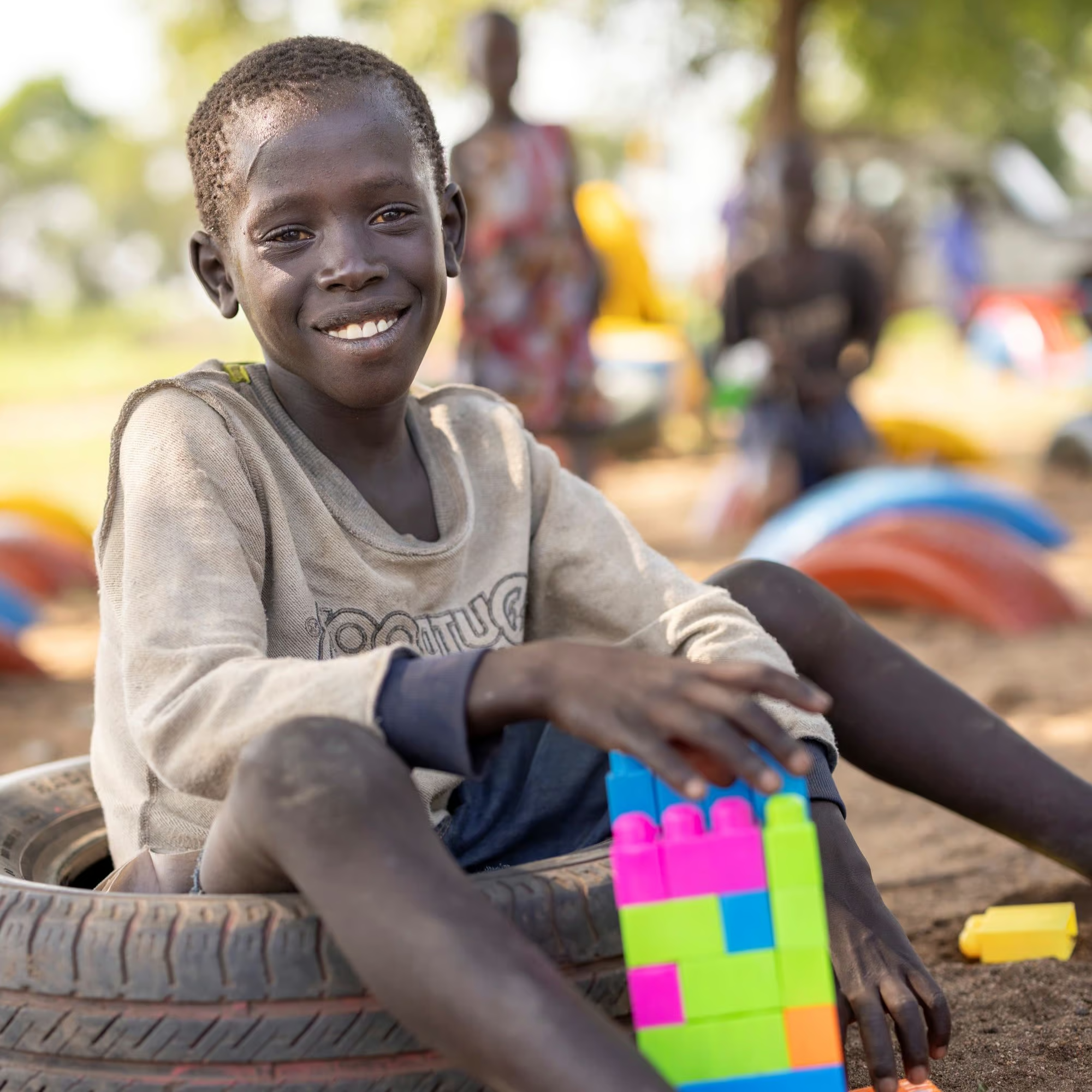

As we mark International Day of Play, ChildFund Alliance reaffirms its commitment to working with partners to ensure that every child has the time, space and freedom to play, participate and thrive.
ChildFund is also joining UNICEF and other organisations in a Global Call to Action to protect and promote every child’s right to play. Find out more.