Bobberlanka, a remote tribal village in India surrounded by forest and riverbanks, has long struggled with poor infrastructure and environmental risks. For families living here—many from marginalized Dalit communities—the absence of basic services like electricity has shaped daily life in significant ways.
Until recently, nightfall brought everything to a halt. With no streetlights and only kerosene lamps indoors, evenings were marked by isolation and risk. Children couldn’t study safely, families remained indoors, and movement outside the home became dangerous due to threats like snakes and other hazards in the dark.
This lack of lighting also created a serious barrier to education. Children strained their eyes under dim lamps, and early darkness during monsoon and winter months limited both study time and safe travel to and from school.
Kokila, 14, knows this reality well. “The roads were filled with darkness, making it dangerous to walk from school,” she says. Her school attendance dropped, especially during the darker seasons, as she and her parents worried about her safety.
A Strategic Response
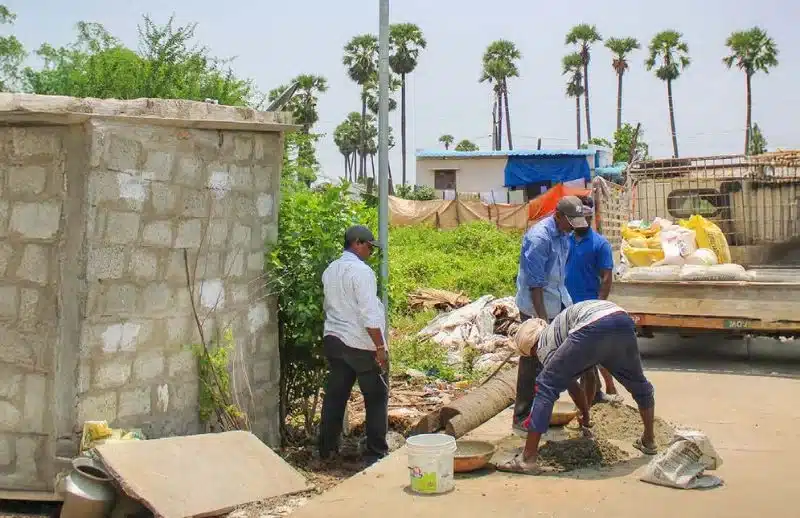
To address these challenges, ChildFund Alliance member Children Believe, in partnership with the Child Rights Advocacy Foundation (CRAF), launched a solar lighting initiative in May 2023. Originally targeting ten communities, the project expanded to 19, leading to the installation of 56 solar-powered streetlights and portable lamps for 65 families.
The impact has been immediate and measurable.
“Earlier, parents were reluctant to send their children to school,” says Ramkrishna, a local teacher. “Today, attendance is rising—especially among girls—and students are more engaged and motivated.”
Expanding Access and Opportunity
With better lighting, Kokila is able to walk safely to school and study in the evening without risking her health or safety. “Now, with the lights guiding us, I feel safe and more focused on my goals,” she says. Her ambition to become a veterinary doctor is no longer out of reach.
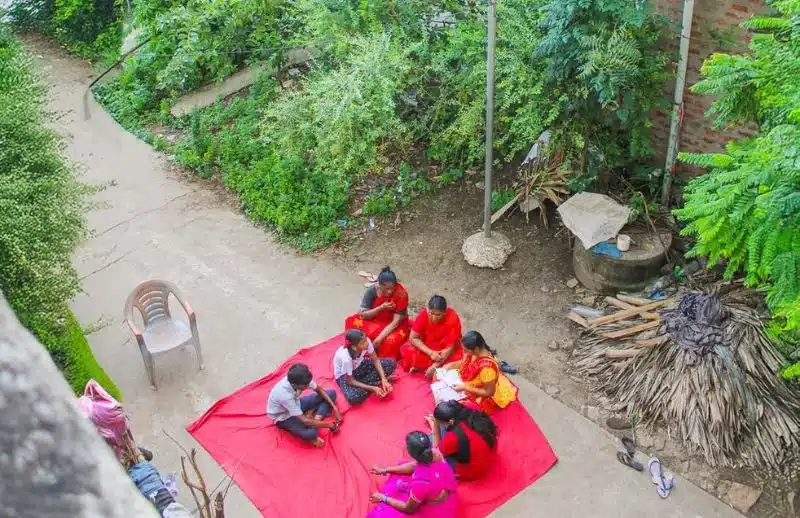
The benefits extend beyond students. Lakshmi, a member of a women’s self-help group, notes the shift: “We can now hold meetings in the evening, discuss savings, and plan initiatives that support our families and the wider community.”
Improved lighting has created space for more than education—it has enabled social connection, economic activity, and a stronger sense of safety for children, adolescents, and women.
A Practical Solution with Lasting Impact
In Bobberlanka, solar-powered lighting has done more than illuminate the streets. It has improved safety, supported children’s right to education, and strengthened community resilience. It’s a clear example of how simple, sustainable infrastructure investments can make a meaningful difference—particularly in underserved regions.
As communities like Bobberlanka show, when the right resources are in place, the path forward becomes brighter for everyone.