
ChildFund Alliance launches World Index 2026: Safe Enough to Have a Future
Children today are growing up in a world shaped by overlapping crises: conflict, climate shocks, displacement, insecurity and inequality.
In this context, ChildFund Alliance has launched the World Index 2026: Safe Enough to Have a Future, combining research involving more than 3,000 children across 27 countries and a ranking of 134 countries.
Launched in Manila ahead of the Second Global Ministerial Conference on Ending Violence Against Children, the report explores how children experience safety and why that matters not only for their lives today, but also for their right to the future.
First introduced in the 2024 edition of the Index, the right to the future is the idea that every child should not only be protected from harm today, but also be able to imagine a future and have the opportunity to pursue it.
The research shows that children who feel safe are more likely to believe they can shape their future. When safety is absent, that sense of possibility narrows. A country may have laws, institutions and services in place, while children still feel unable to access help when they need it.
This distinction sits at the heart of the report:
- Protection is the system.
- Safety is the child’s lived experience of that system.
“A child’s right to safety must mean more than laws and policies – it must be reflected in their everyday experiences,” said Tamar Manuelyan Atinc, Chair of the ChildFund Alliance Board of Directors.
“The ChildFund Alliance World Index highlights how far we still have to go to ensure every child can grow up free from violence and fear. By bringing children’s voices together with global evidence, this research challenges governments and institutions to look beyond the commitments they have made and examine whether children can actually access the protection and support they need. Children must not only be protected – they must be heard, believed and empowered to shape their own futures.”
Read the World Index 2026: Safe Enough to Have a Future
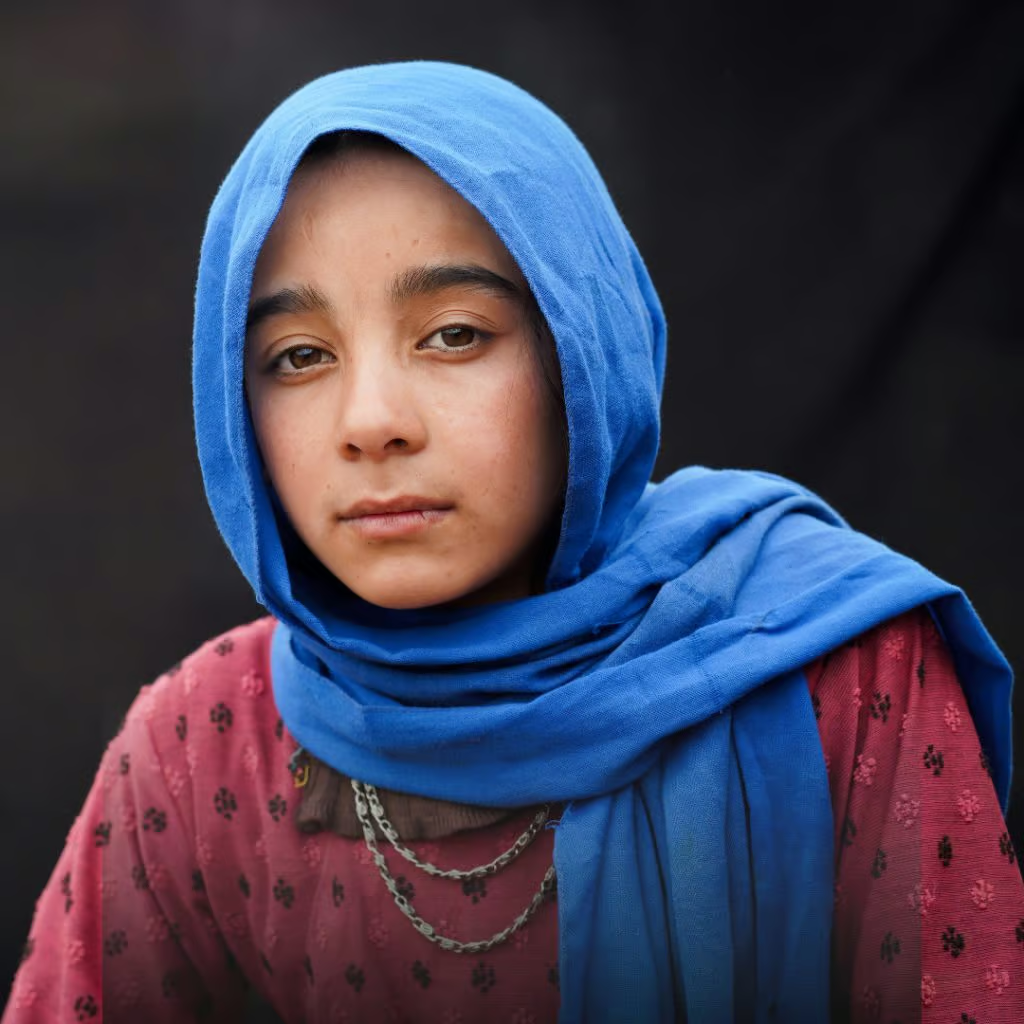
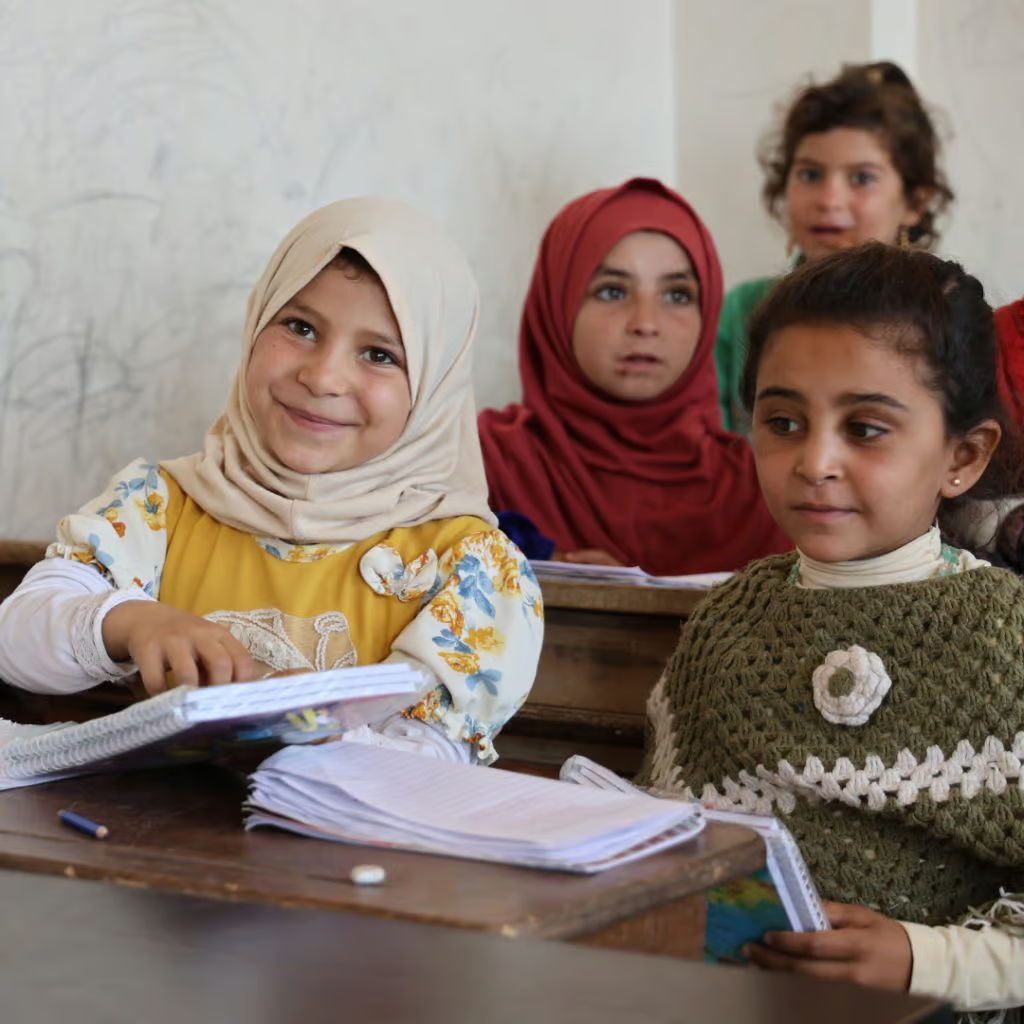
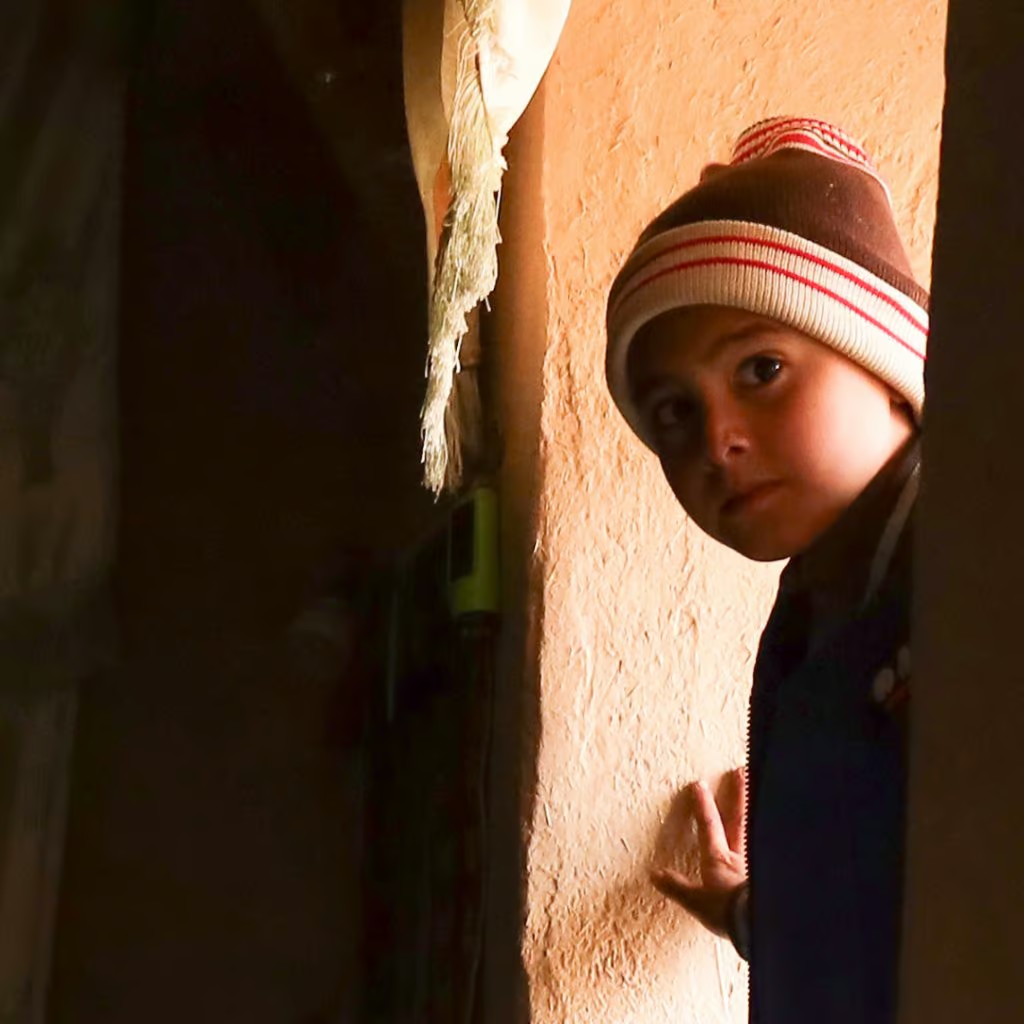
What makes children feel safe?
The World Index 2026 places children’s own experiences at the centre of its research, drawing on two participatory approaches:
- A survey: 2,344 children and adolescents aged 8–18 across 27 countries shared where they feel safe, who they trust and whether they believe they could get help in a crisis.
- Safety Mapping: 834 children across 21 countries took part in 76 group sessions, drawing maps of their communities to identify safe and unsafe spaces, who is responsible for protecting them and what needs to change.
Children’s lived experiences are central to the analysis, rather than simply illustrations of the findings. For ChildFund Alliance and its members, closing the gap between protection and safety is ongoing work, built on relationships, dialogue and meaningful children’s participation.
Where children feel safe – and where they don’t
Home is the most commonly identified safe space (74%), followed by family or caregivers (54%) and school (45%). But safety often depends on the presence of a trusted adult, and children’s experiences vary significantly between countries.
More than one in three children consulted reported feeling unsafe sometimes or often. Roads and routes between home and school emerged as particularly vulnerable spaces, highlighting how children may feel protected at their destinations but exposed on the journeys between them.
Children also described a range of concerns shaping their everyday lives. Illness affecting themselves or loved ones was the most frequently reported worry (44.9%), followed by conflict and violence (around 36%) and climate and environmental threats (34.9%).
For many children, crisis is not a single event. It is part of everyday life.
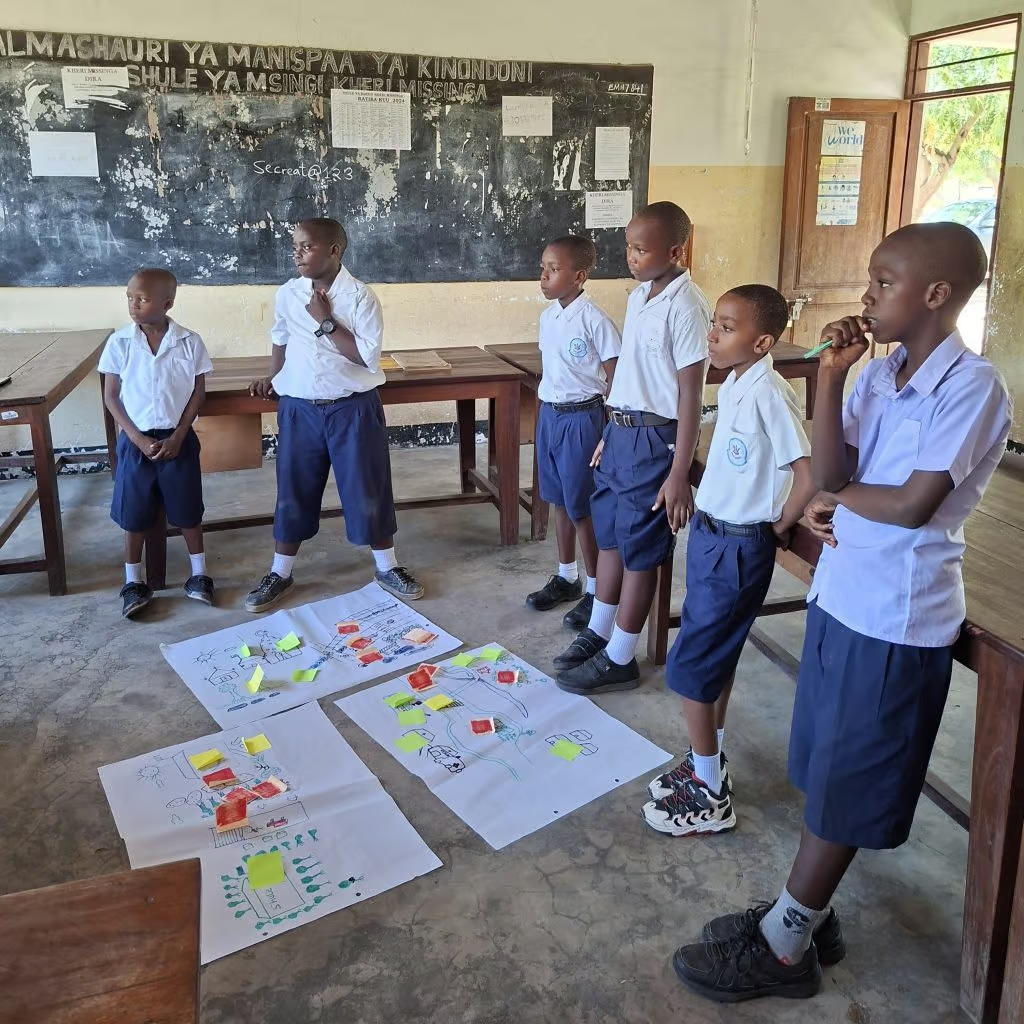
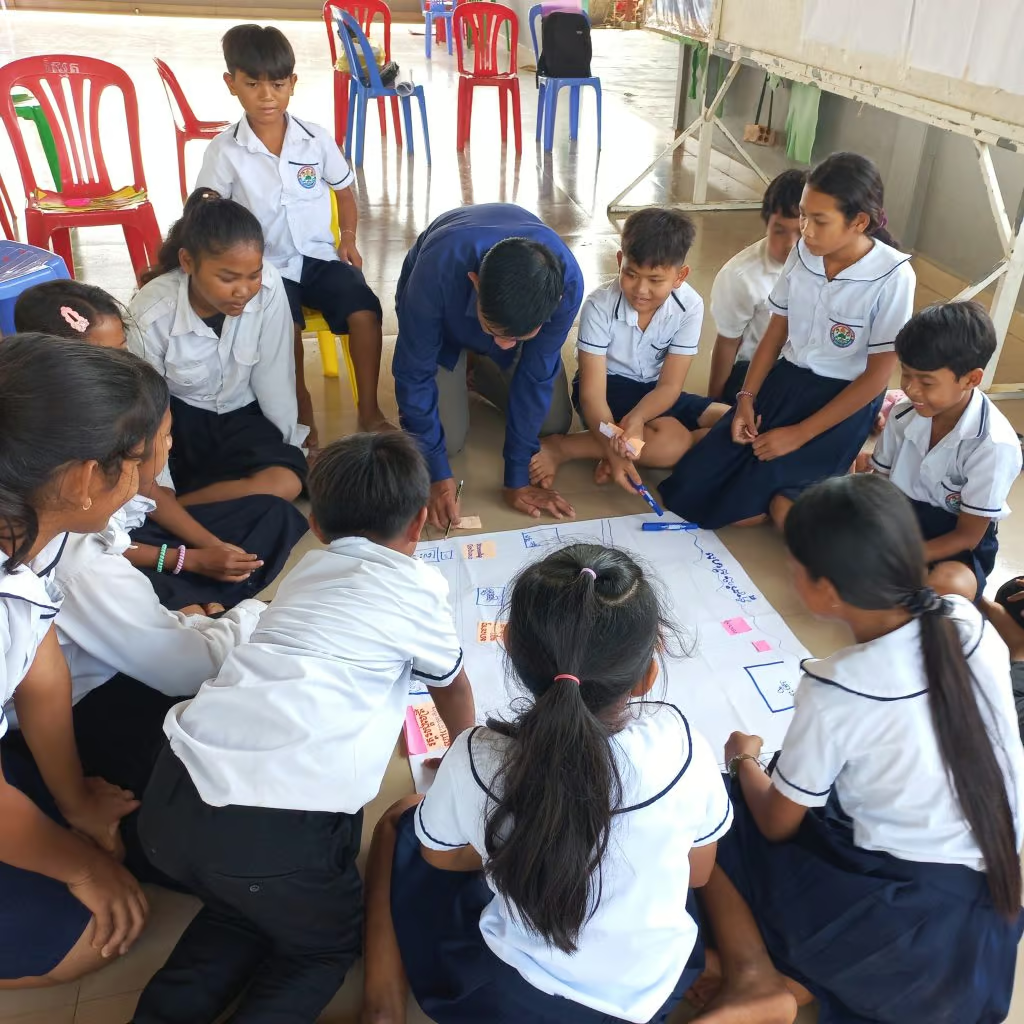
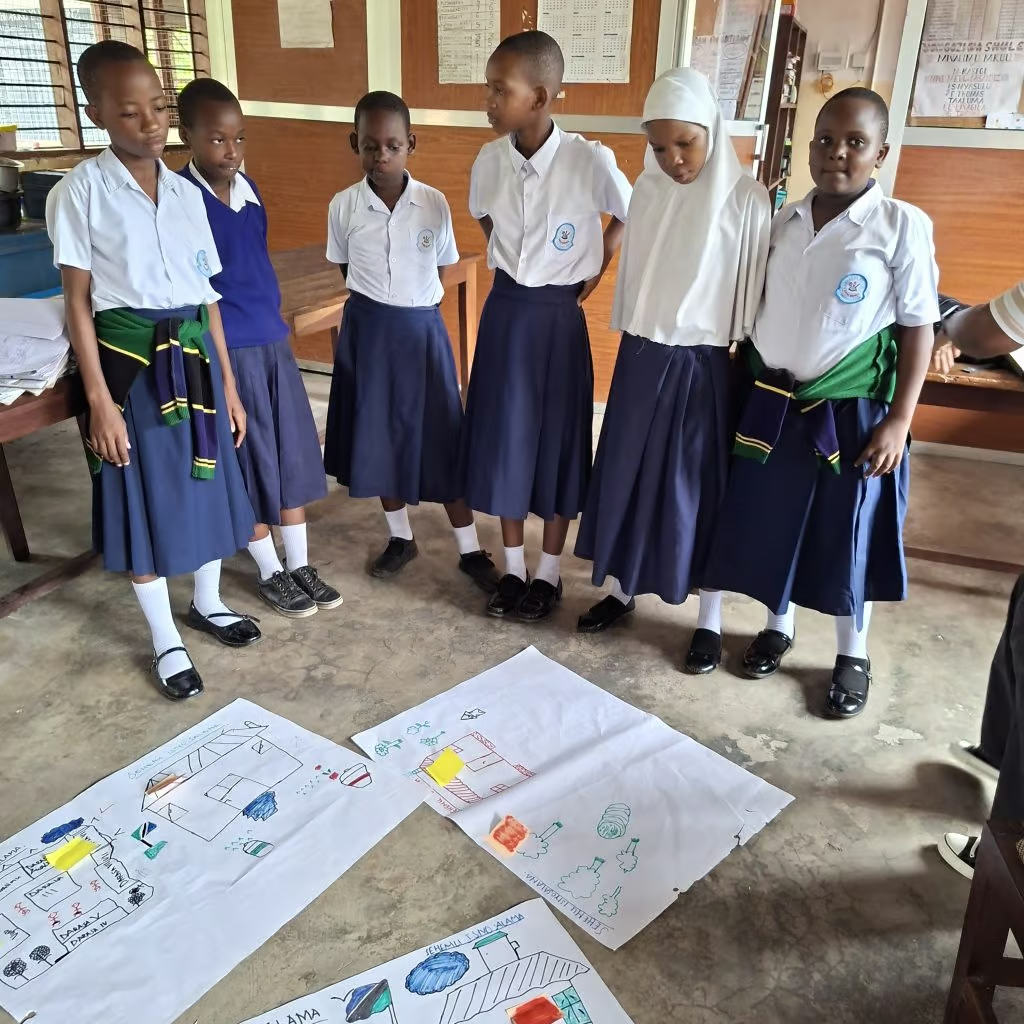
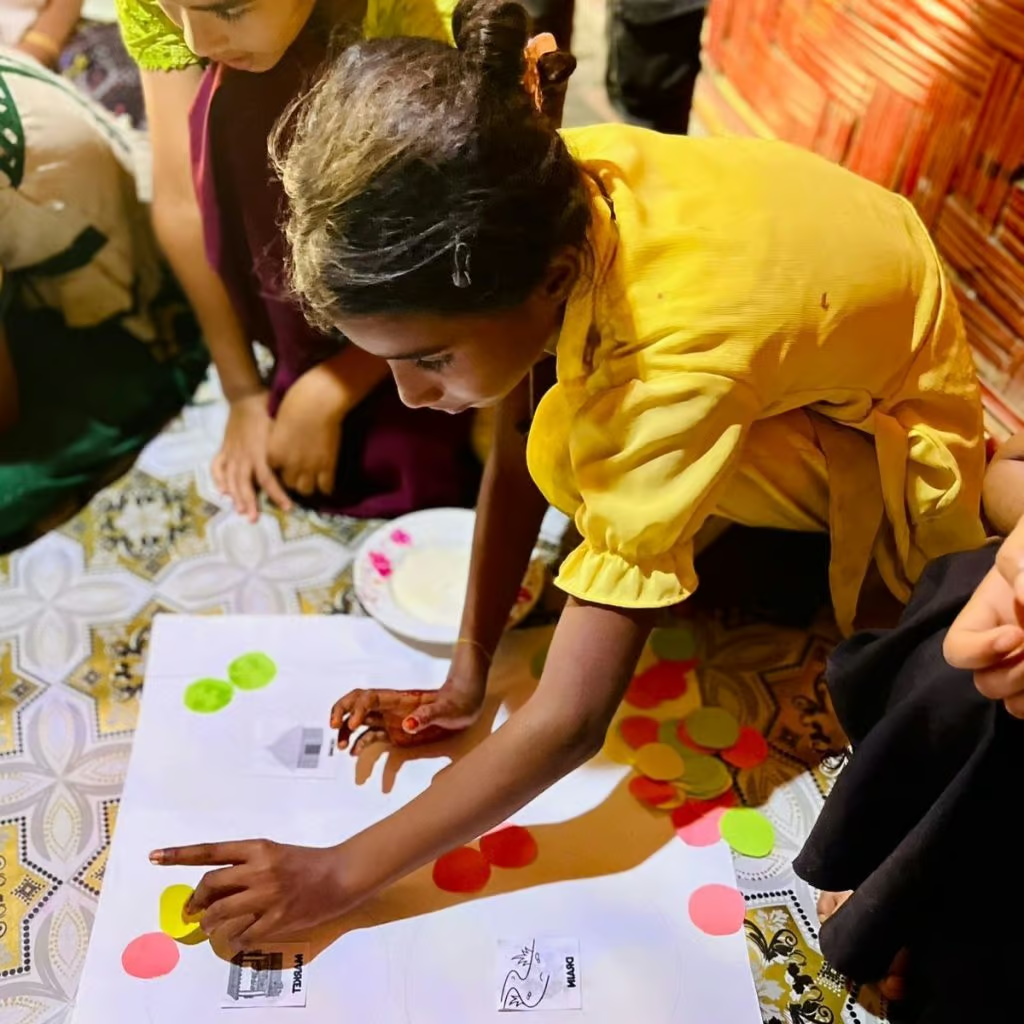
Images above: children take part in Safety Mapping workshops
Trust, protection and the right to a future
Having someone to trust does not always mean children believe help will be available when they need it. Even among children who find it very easy to talk to a trusted adult, more than one in five do not believe they could reach help in a crisis.
Parents and family members are the most commonly identified sources of support (80%), followed by teachers (46%), community leaders (28%) and police (26%). Formal protection services are far less frequently mentioned.
The findings underline the importance of building trusted relationships and accessible support systems before crises occur.
They also reveal how disadvantage compounds. Girls with disabilities or functional difficulties face some of the greatest barriers, reporting higher levels of distress, less access to trusted adults and less confidence in their ability to shape their futures.
Across the children surveyed, 67% said they felt able to choose their future, while 17% were unsure and 10% said they could not.
The research also found a connection between girls’ confidence in shaping their futures and the strength of women’s rights in the countries where they live, highlighting how inequalities can affect opportunities across generations.
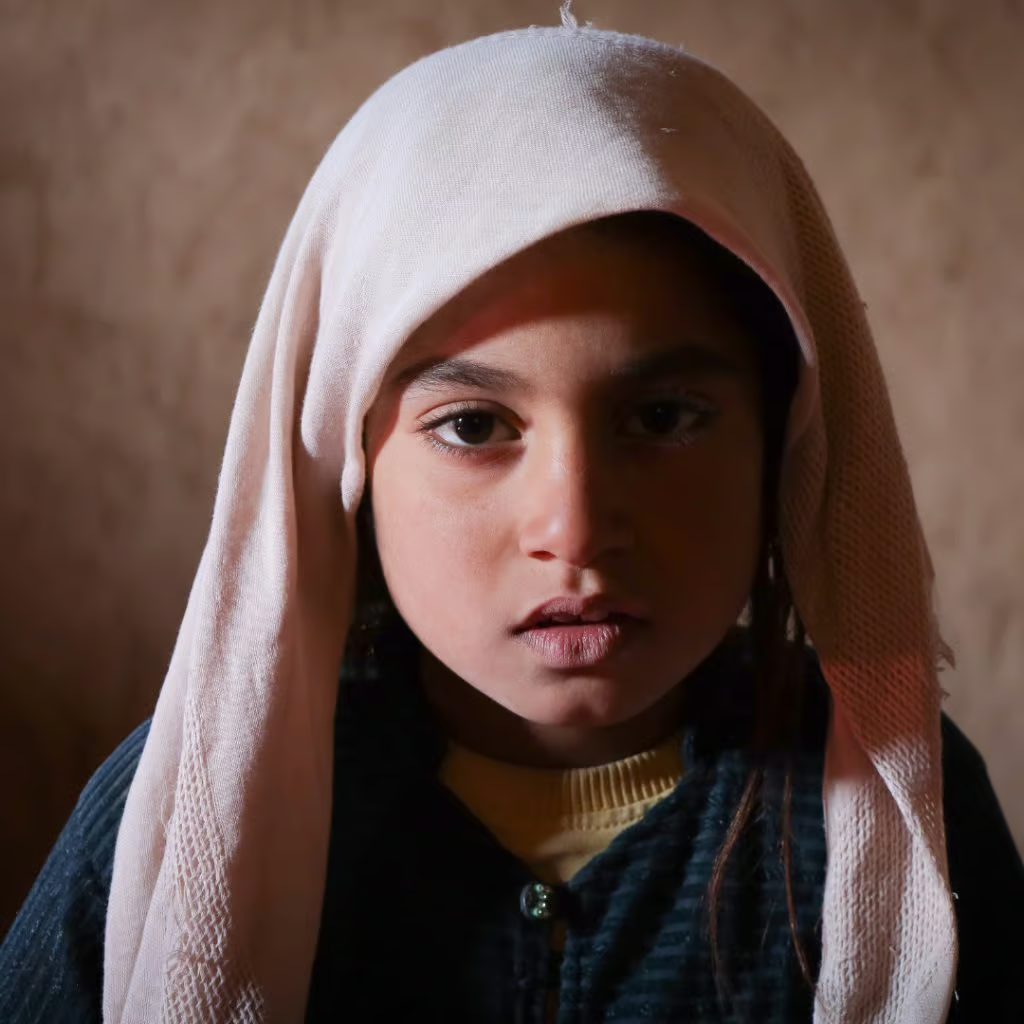
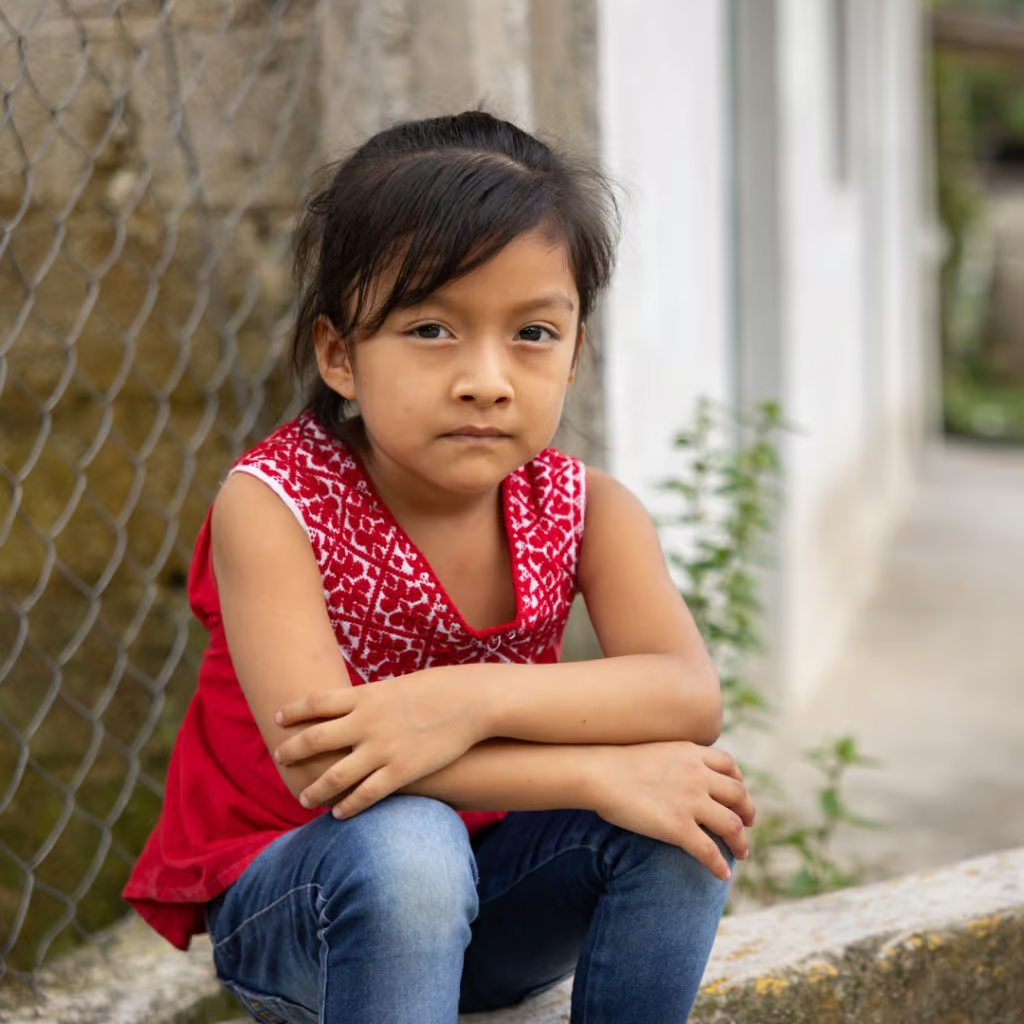
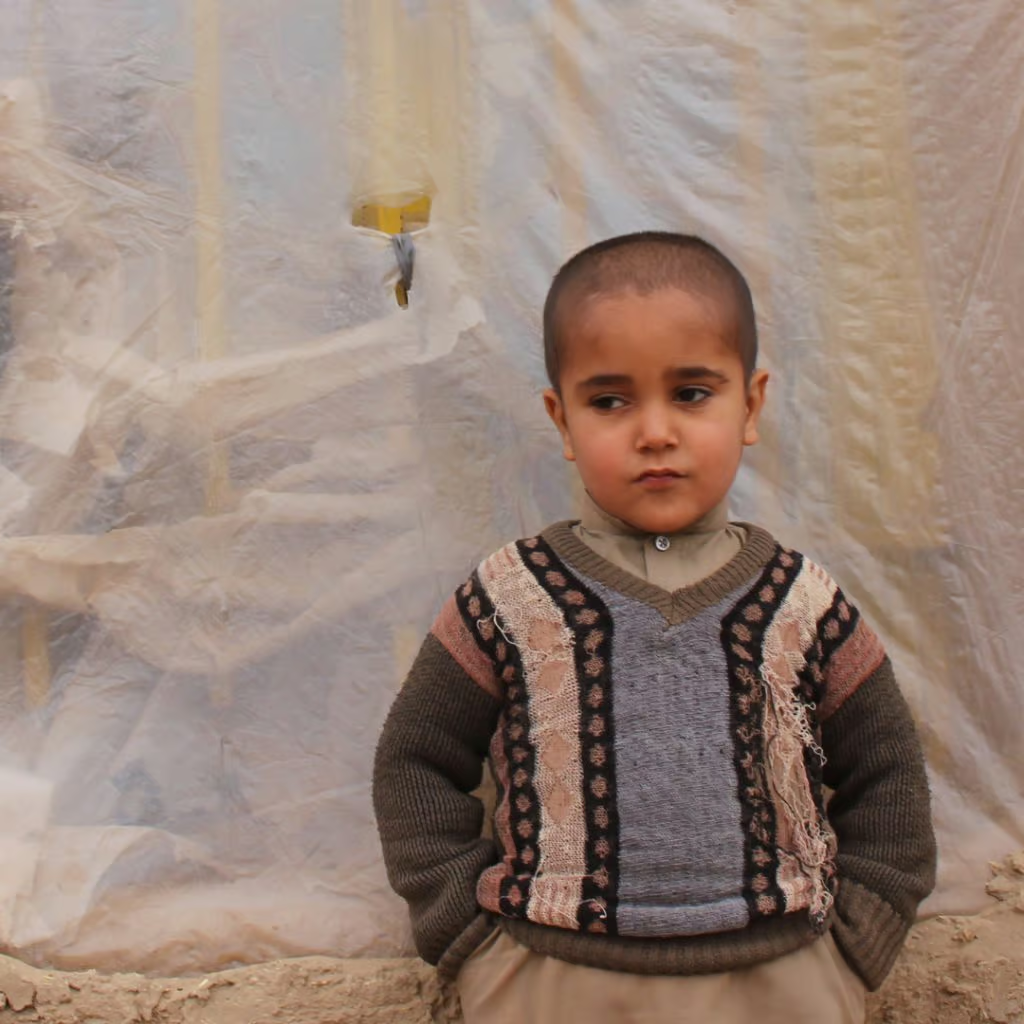
The Philippines: When children know where to turn
The Philippines provides an encouraging example of what can happen when trusted relationships are connected to accessible pathways for support.
Among children consulted through ChildFund Alliance programmes, 96% reported that they could seek help when needed – the highest figure in the dataset.
Children frequently described safety through supportive adults, responsive communities and feeling listened to. Family was an important source of safety, while care, respect and participation featured strongly in what children said they needed to feel protected.
At the same time, climate-related concerns remain significant. More than one in three children consulted in the Philippines (35%) said they were very worried about bad weather and climate-related problems.
While these findings reflect children participating in Alliance-supported programmes rather than nationally representative data, they demonstrate the importance of building protection systems that children can recognise, trust and use.
Explore the World Index
- Read the full report and executive summaries: available in English, French, German, Portuguese, Spanish, Swedish and Tagalog
- Download our child-friendly versions of the report: available for children and adolescents in multiple languages