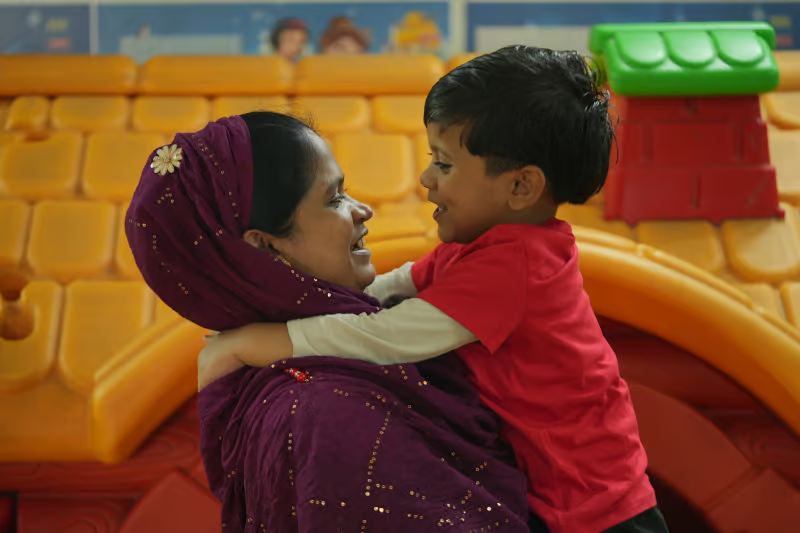
Ismat works in a textile factory in Bangladesh, as does her husband. They have two children: a teenager in ninth grade and Sadia, who is three and a half years old. Like millions of families across the country, they rely on employment in the garment sector, a cornerstone of Bangladesh’s economy.
The garment industry employs more than 4.5 million people and generates approximately 85% of the country’s export revenue. Most workers in the sector are women, many of whom are mothers. For many families, one of the most immediate challenges is finding safe and reliable childcare while parents are at work.
When childcare is available at work
Before joining her current factory, Ismat worked in another workshop where no childcare services were available. She left her daughter with a neighbour and paid around 3,000 taka per month (about $23). Even then, she remained concerned about her daughter’s wellbeing.
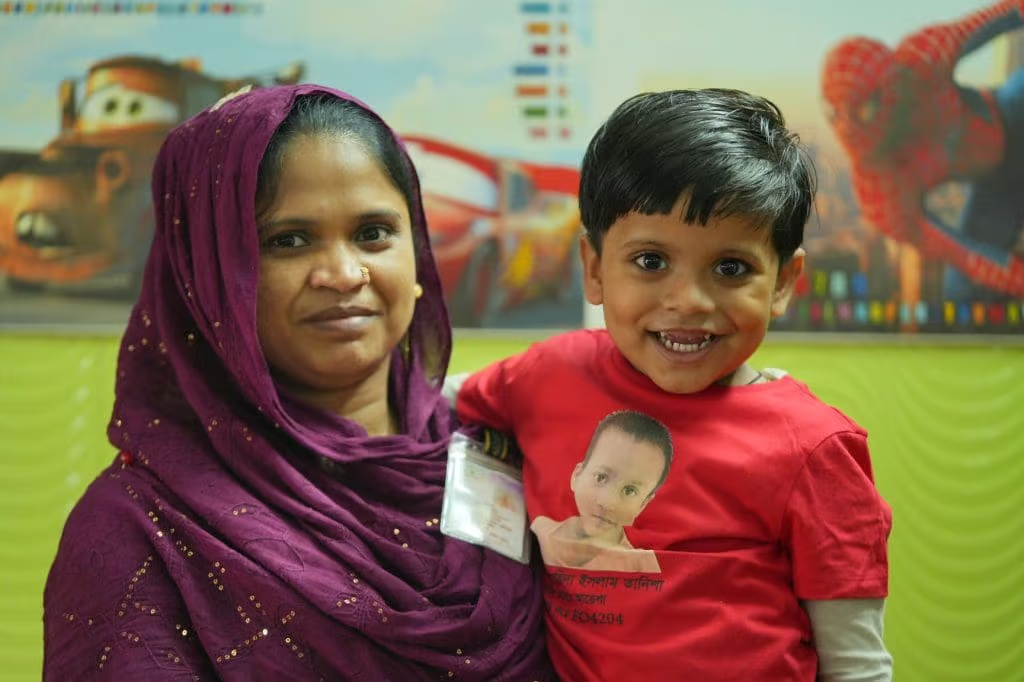
Her situation changed when she joined a factory that offered a free childcare centre. The service is part of the SMILE project, implemented by ChildFund Alliance member Educo with funding from MANGO and in partnership with the Sobujer Ovijan Foundation.
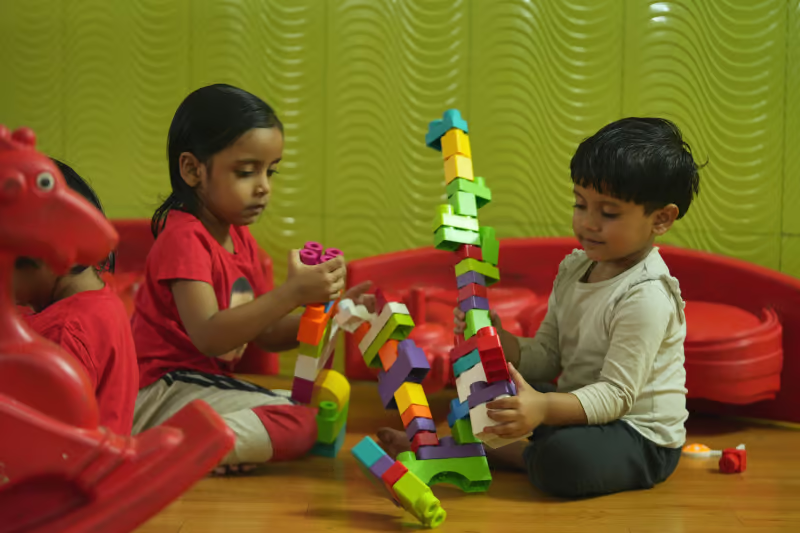
Since March 2024, the project has been operating in 15 textile factories and surrounding communities in Dhaka and Gazipur, with activities planned until May 2026. The initiative focuses on establishing and strengthening play-based childcare centres, promoting health and nutrition practices, and supporting awareness of labour rights, gender equality, workplace safety, and the prevention of harassment and violence.

Supporting early childhood development
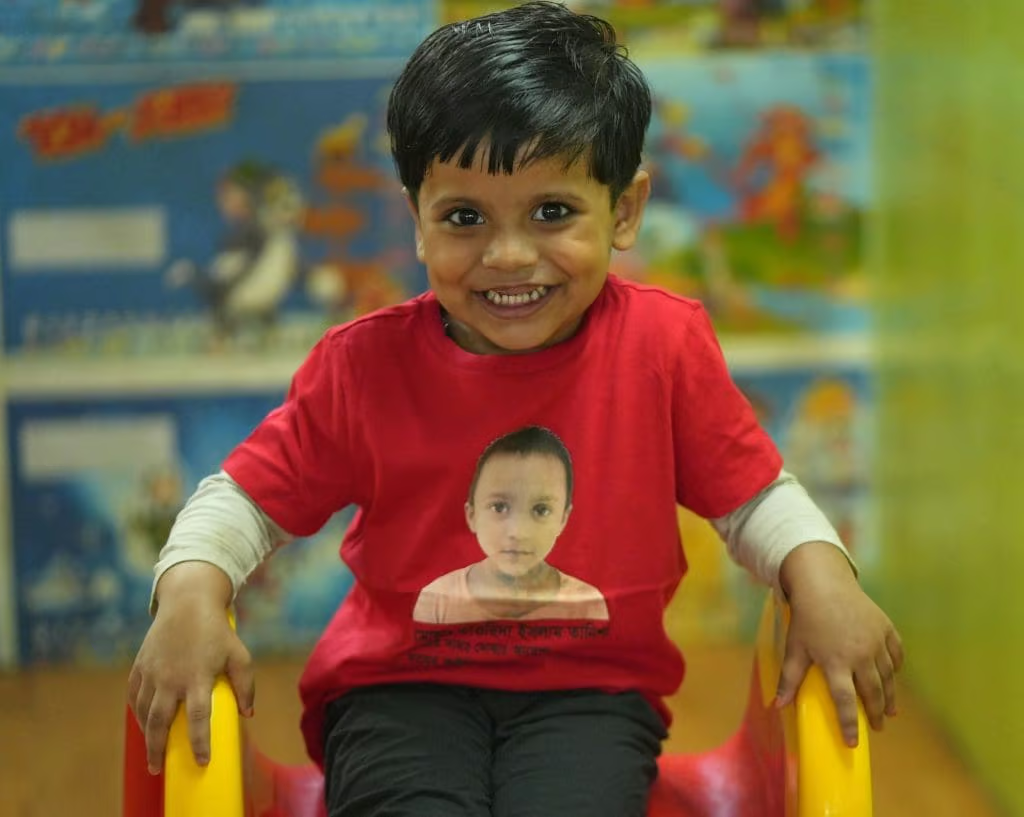
Today, Sadia attends the childcare centre at the factory each day. For Ismat, this means she no longer needs to pay for external childcare and can focus more fully on her work.
Access to safe and stimulating childcare environments can also support children’s development during a critical stage of early childhood. The early years play an important role in shaping cognitive, emotional and social development. Without appropriate care and stimulation, inequalities can emerge from an early age.
Creating supportive environments for families
The SMILE project also supports community-based learning initiatives for the children of textile workers, including activities that promote early childhood development through play. In addition, the programme provides spaces where women can access information about their rights and strengthen their participation.
As Ismat explains: “If this support continues, more mothers will be able to work knowing their children are protected. That improves our lives.”
Initiatives like this help create safer environments for children while supporting working parents. By combining childcare, early learning and support for women’s rights, the project aims to strengthen both family wellbeing and opportunities for children’s development.