
Food insecurity remains a critical challenge in Madagascar. One in three households is affected, and much of the population lacks access to sufficient food in both quantity and nutritional quality. Nearly half of all children (47%) suffer from chronic malnutrition, placing Madagascar fourth globally for this condition. Chronic malnutrition increases the risk of mortality and severely impairs children’s physical and cognitive development, undermining the country’s long-term social and economic progress.
The situation worsens during the lean season—the period between the depletion of the previous harvest and the availability of new crops—when food shortages are most acute.
In response to local demand and the heightened risk of malnutrition during the lean season, ChildFund Alliance member Un Enfant par la Main (UEPLM) and its partner Amadea have been implementing school canteen programs since 2019 in rural schools across the Analamanga region. The initiative provides four nutritious meals per week, plus a snack on Fridays, helping to ensure that children receive regular, balanced meals during the most vulnerable period of the year.
The school canteen model is both decentralised and community-managed, with decision-making led by local school management committees and technical support provided by state services. The program also promotes short food supply chains, sourcing produce locally to benefit both children and surrounding communities.
A Participatory Management Model
Canteen management is grounded in a participatory approach. At the start of each school year, management committees are established in participating schools, bringing together parents, teachers, and school principals.
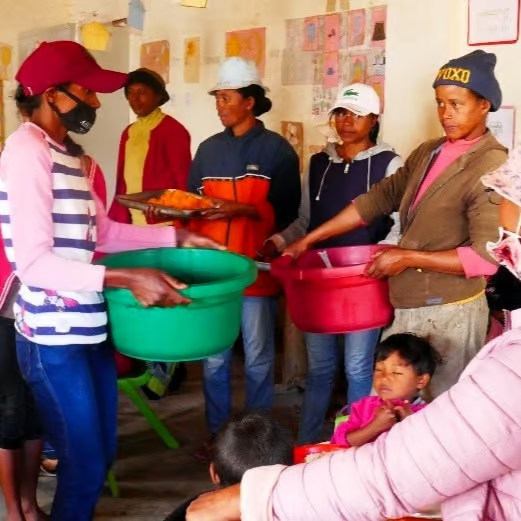
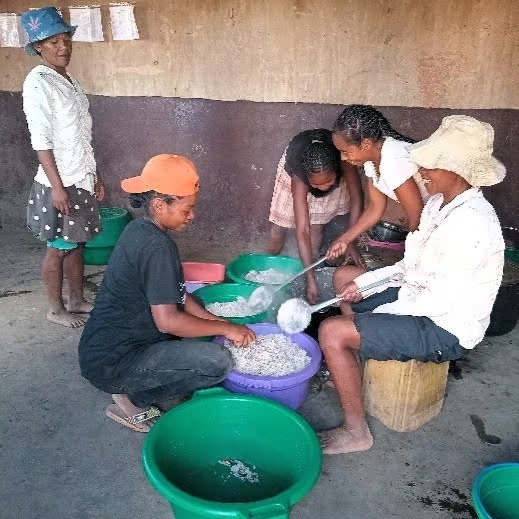
Parents serving on these committees play a central role in the daily operation of the canteens. Their responsibilities include:
- Preparing meals in line with weekly nutritious menus developed by medical professionals
- Supplying firewood and collecting water
- Managing food supplies, invoicing, and simplified accounting to ensure transparency and traceability
- Overseeing finances, supported by a weekly operational budget
Local small-scale farmers supply vegetables, seasonal fruits, and legumes according to their production capacity, strengthening local livelihoods while improving dietary diversity for children. Students bring their own plates, utensils, and cups.
Youth leaders—young volunteers aged 18 to 30 who receive targeted capacity building—provide close monitoring of canteen operations. Where challenges arise, additional training and corrective measures are introduced to ensure quality and continuity.
To support long-term sustainability, school gardens have also been established. Maintained by school communities and the children themselves, these gardens supplement meals and help raise awareness about balanced diets and nutrition.

Rigorous Nutritional Monitoring
Medical and nutritional assessments are conducted by doctors at the beginning and end of each canteen cycle, with particular attention given to children experiencing malnutrition. These assessments help measure progress and evaluate the program’s impact.
Malnourished children receive nutritional supplements, while all children benefit from biannual deworming. Hygiene and nutrition education sessions are also delivered to both parents and children, strengthening knowledge and practices around healthy eating.
Promising Results
The program has delivered measurable and encouraging outcomes:
- Improved nutritional status: Each year, children show clear improvements in nutritional indicators, progressing toward normal health or achieving consistent weight gain.
- Stronger parental engagement: Increased involvement of parents in canteen management has fostered a shared sense of responsibility for children’s health and wellbeing.
- Healthier cooking practices: Parents have adopted new recipes based on locally available foods and improved hygiene practices, reflecting strong uptake of nutrition education.
- Reduced school absenteeism: School attendance has risen significantly during the lean season, with more families choosing to enrol their children in schools offering canteens.
Teacher Ms Flavie (pictured above) says: “Before the canteens began, student attendance was 87%. During the school canteen period, attendance rises to 95%. This regular attendance will also have a positive impact on end-of-year exam results.”